The history of Three Choirs Vineyard and English wine
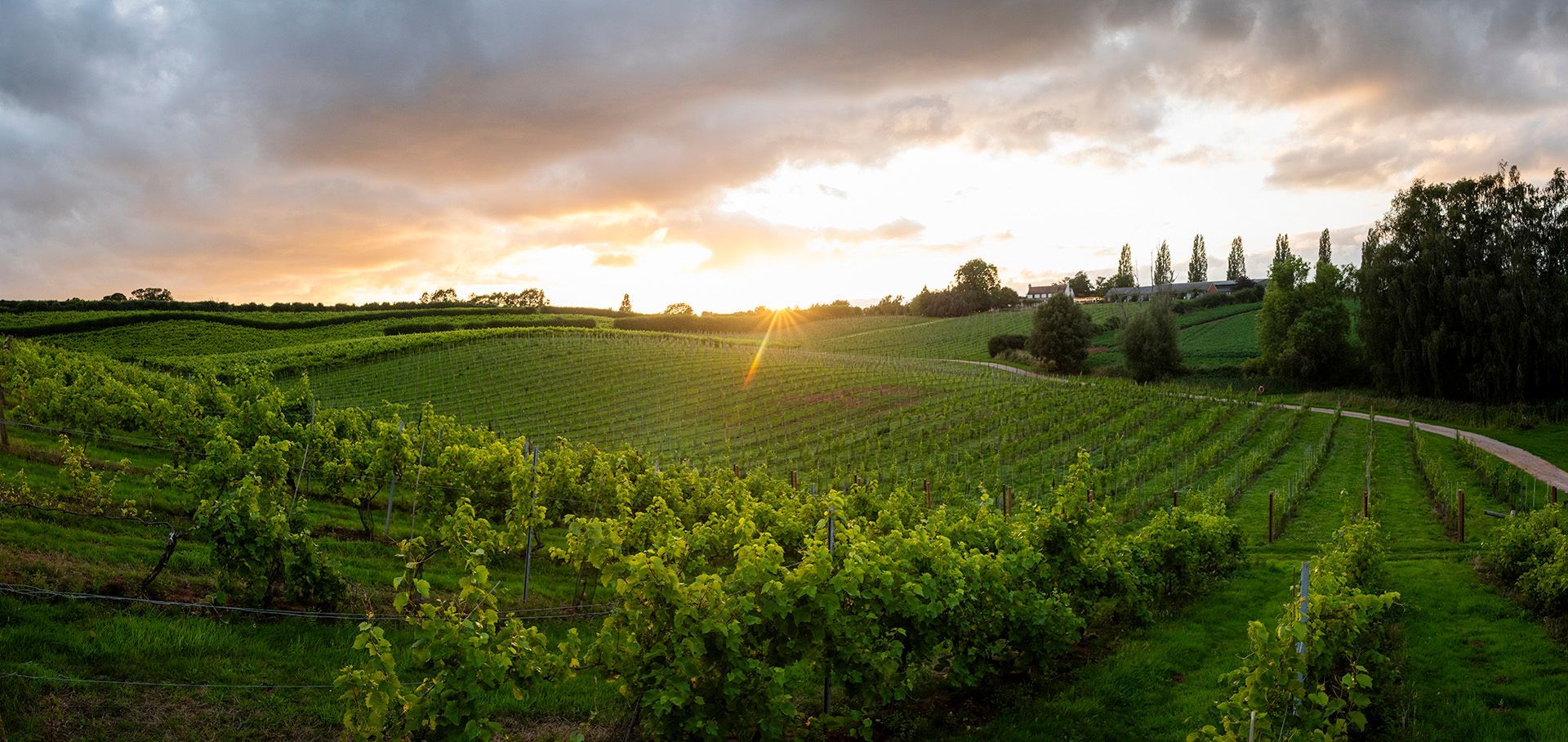
The very first vines were planted at Three Choirs Vineyard in 1974. There was just half an acre of vines, and it was more as an experiment than any serious intention to become English winemakers.
Thomas Shaw, managing director of Three Choirs Vineyard, said: “At the start, with only half an acre, Three Choirs produced hardly any bottles of wine. It was just a bit of fun!”
We weren’t the earliest English vineyard, but we were certainly in the first five. And that first experiment with vines at Three Choirs was a success, so we started planting more. Once we got to five acres of vines, we had to think more seriously about how to sell the wine.
Thomas continued: “In those early days, there was lot of interest in English vineyards from organisations like the WI and University of Third Age. Coachloads of older people were going to vineyards wanting to drink a bit of wine. That market has changed and we don’t have those visitors any more.”
Those early grapes were Germanic in origin, which is what best suited the climate at the time. Historically, the English climate has always been closer to that of Germany than France – colder, wetter and with longer winters.
By the early 1990s, there were 75 acres of vines here and the winemaking had got a lot more serious!
At this point, the big outlet for selling our wine was the supermarkets. We’ve sold to nearly all the supermarkets at different times, including Sainsbury’s, Asda, Tesco, Morrisons and Waitrose. There are also small independent wine merchants who specialise in English wine.
Now most high street wine merchants will have an English wine section. These sections are always quite small, because English vineyards are still not huge producers, despite climate change.
Three Choirs Vineyard was the third biggest English vineyard in the 90s. Now it is in the top 20. Some of the other vineyards have done a lot of planting in the last 20 or 30 years.
Thomas added: “We’ve stayed the same size since the 90s. It’s all the land we own, and I feel it’s the right quantity to be producing – matching our sales to production.
“We have seen some of the bigger vineyards taking vines out in recent years because they’re overproducing.”
Where is the best place in England to grow vines and produce wine? There’s no straightforward answer!
Thomas said: “It depends what you want to produce as to where is the best place to grow vines. You have to consider what your conditions are best for. Everywhere is different. You have to look at your land, take advice and grow the best fruit you can.
“Producers of sparkling English wine want to sell for £35 or £40 a bottle, but it’s hard to get that sort of money for a bottle of wine.”
English wine has always been predominantly grown in the south of the country because the north has always been too cold and too wet. There is also a South West/ South East split, because the climates between the two regions do differ.
More from our blog...