What to expect from a vineyard wine tasting day

22 May 2026

Thinking of coming along to Three Choirs Vineyard for a wine tasting day and not sure what to expect? There is no need to feel nervous. What you can expect is a fun and relaxing day.

Thomas Shaw, managing director of Three Choirs Vineyard, said: “A lot of people are intimidated by the thought of going to a vineyard wine tasting. Pompous talk of wine scares people. They’re worried that they need to know a lot about wine and scared of making a fool themselves or asking a silly question.

“But we’re here to make it friendly, relaxed and enjoyable. If you know nothing, it doesn’t matter, nobody is going to make you feel uncomfortable.”

In the UK, we don’t have a culture of visiting vineyards. But in parts of Europe, Australia and California, visiting a vineyard and tasting the wines is as normal as going to the pub!

Here at Three Choirs Vineyard, we offer both guided and self-guided wine tasting sessions. Self-guided sessions include either lunch and a vineyard walk or just a vineyard walk. The guided tour includes a visit to the winery and lunch.

For a self-guided session, you do everything at your own pace, with a pamphlet for information. A guided tour is led by a member of staff who will show visitors the winery operation and talk them through the wines.

Thomas continued: “There are different experiences depending on what you think you would like. Have a look on the website to see what’s currently on offer and what you feel suits you best.”

You can explore the different options on our
wine tasting packages page.

For a self-guided tour, you can do it as a pair or in a group of up to six friends. For a guided tour, you will join a slightly larger group, but we always keep numbers low, so you have plenty of opportunity to chat to the staff member leading the session.

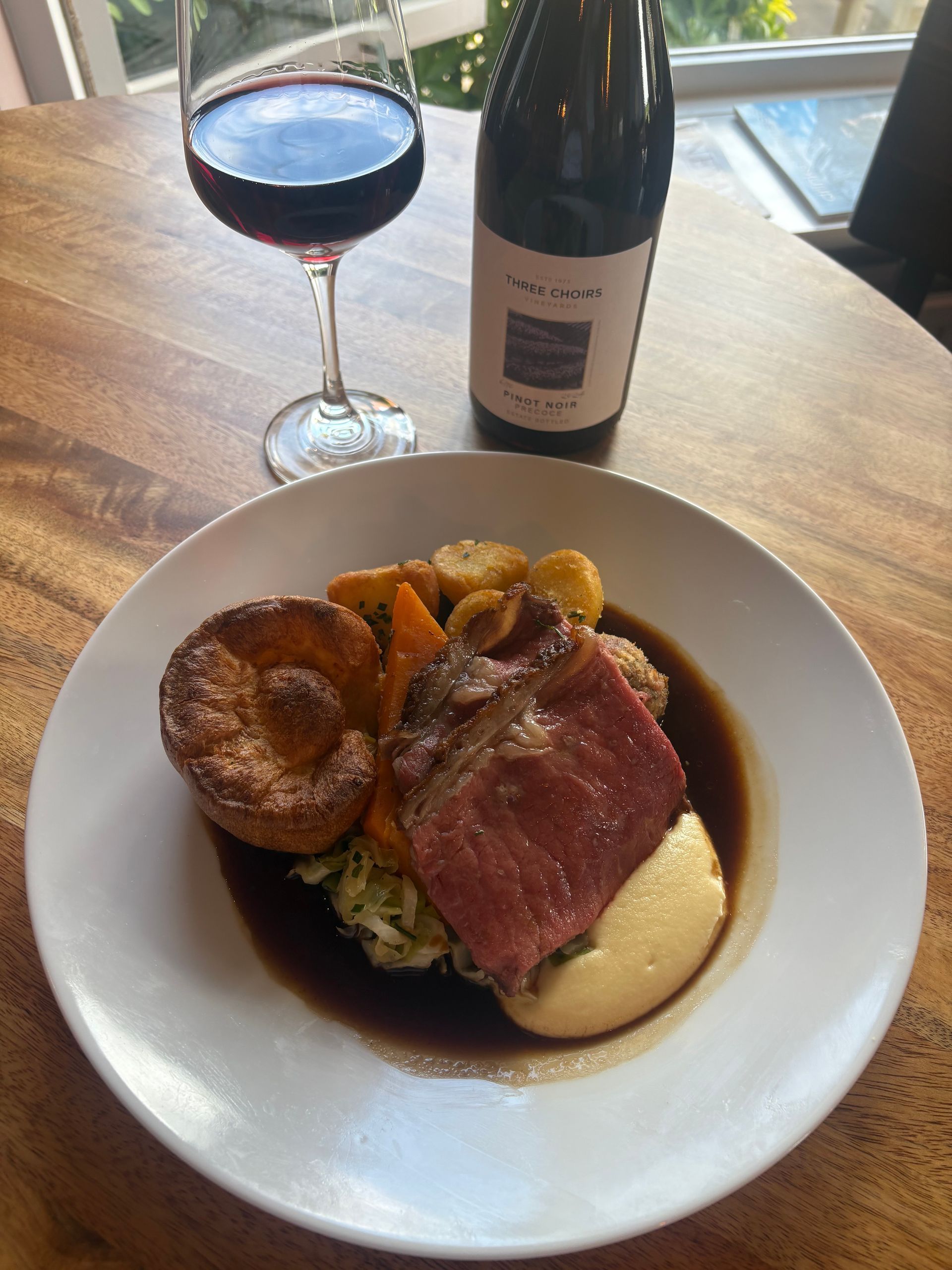
On a wine tasting day, you will taste five wines of 50ml each, which adds up to about a large glass of wine in total. The wines will be selected by the guide or member of staff on duty, but the selection will usually include a red, a rose, a sparkling wine and two whites. 

Thomas said: “If you don’t like one of the wines, don’t drink it! You might not like all five and that’s OK. When we give you five wines to taste, we want them to be different, so it is possible there will be one you don’t like as much as the others.”

You may have seen wine tasting on TV, where someone sniffs the wine, swills it around their mouth and then spits it out. We don’t encourage that here! It can be off-putting and intimidating for others wine tasting with you. We want everyone to enjoy their wine when they come to a wine tasting session, which means drinking it as normal.

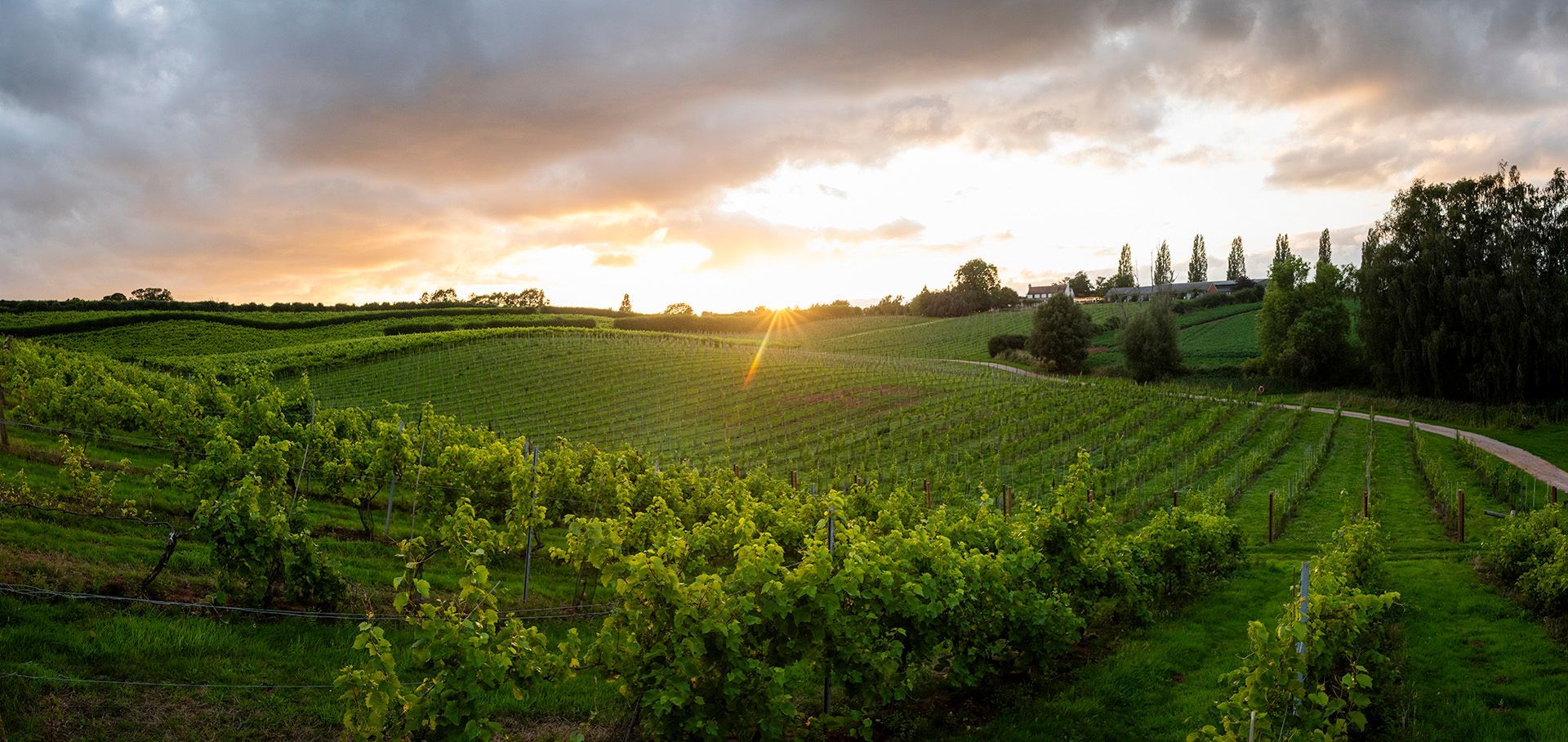
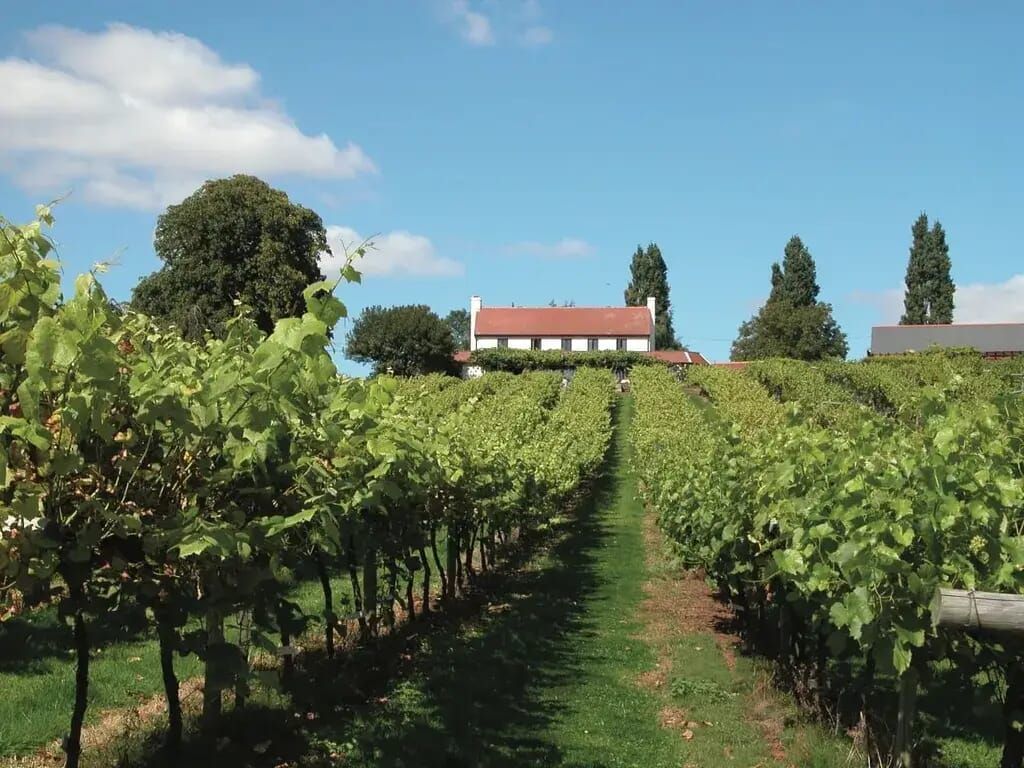
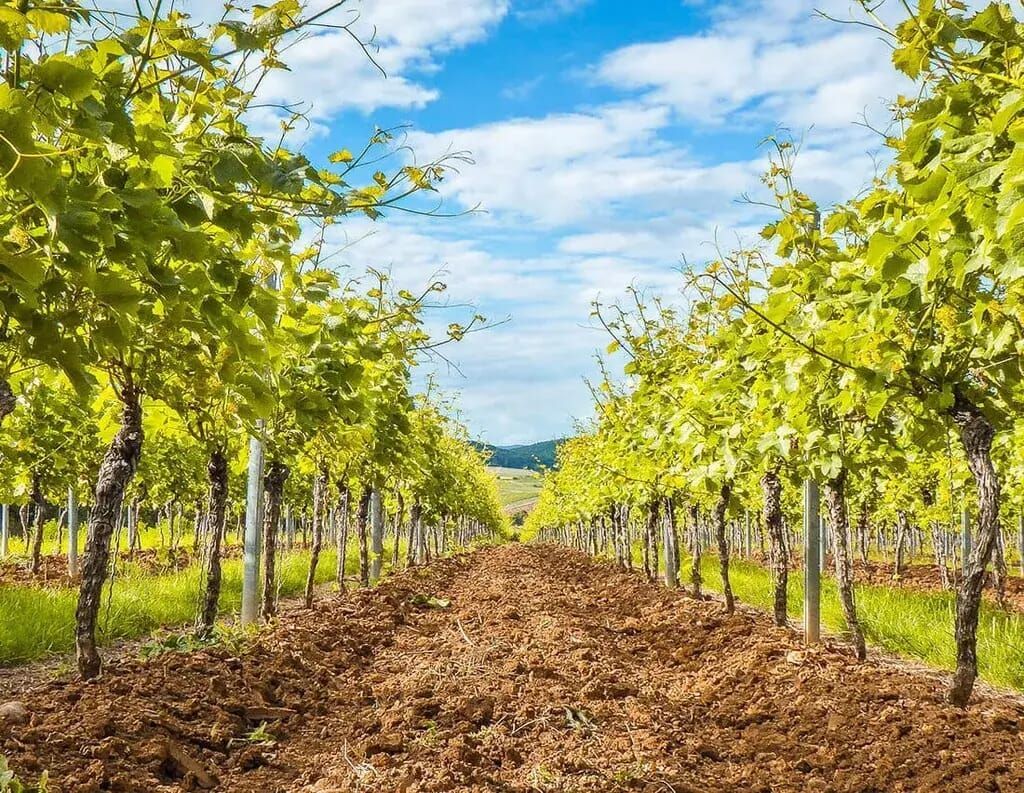
If you are visiting for wine tasting, do allow time for a walk in the vineyard. We have 75 acres of vines and there is lots of wildlife to see, whatever time of year you visit. We encourage visitors to stick to the trails because we have active rabbits on the vineyard who dig holes in the ground which can be an accident risk!

If you are planning to do wine tasting, have lunch, visit the winery and have a walk, we would recommend allowing three to four hours for your visit.  You can book a table for lunch or supper in our restaurant here.

For a special occasion, a nice, relaxing way to visit is to do wine tasting in the late afternoon, have supper in the restaurant, stay overnight and have breakfast the next morning.  You can check availability and book accommodation here.

And if you’re visiting for someone else’s celebration, but you don’t like wine at all, you can just have a G&T or something else while your partner, friend or family member is enjoying the wine.

Thomas concluded: “There’s something for everyone here. There’s no pressure to like wine or to be interested in it. It’s about relaxing and enjoying yourself in our peaceful vineyard.”
Vineyard Lodge front porch

More from our blog...

27 April 2026
A varietal is a wine made completely or predominantly from a single grape variety. The word varietal is used uniquely for wine. There are a huge number of grape varieties grown all over the world, with some only grown in certain areas – from the northern hemisphere in Canada through to the sunshine of California, the temperate climate of Germany or the traditional wine making regions of France and Italy, down to the southern hemisphere and Australia and New Zealand. When the wine industry in the UK began, vineyards like Three Choirs Vineyard started out with German grape varieties, because we share a similar climate. These varieties include Schonburger, Reichensteiner and Siegerrebe, which have all grown successfully in England. Thomas Shaw, managing director of Three Choirs Vineyard, said: “The problem with German grape varieties is that German wine had a bad reputation. Things like Liebfraumilch and Black Tower were pretty poor quality wines. The Germans did produce some good wine, but they never exported it!” Over the years, the English wine industry has moved away from German varieties to trying to grow more traditional grape varieties like Chardonnay and Pinot Noir. These are seen as more desirable than a lot of the German varieties, but will grow in slightly cooler climates like ours. Thomas continued: “That’s where the English wine industry is now. A lot of what is produced in England is sparkling and is made from traditional French grape varieties and in the traditional French style.” Here at Three Choirs Vineyard, we currently grow Seyval Blanc – a hybrid which has been designed to grow in cooler climates and to be relatively disease resistant. We’ve also got Chardonnay, Pinot Noir and some of the old German varieties like Schonburger and Reichensteiner. The vineyard has been on a rolling replacement programme over the last 10 years. We have 75 acres of vines and over the last decade we have replaced 50 acres of vines – mainly replacing German varieties with traditional grapes. In recent years, there has been a big push, particularly from the New World (countries like USA and Australia) to produce wines from one grape variety like Chardonnay or Pinot Noir. But the classic way of making wine in Europe (the Old World) was to have blends of two or three grape varieties to create your wine. At Three Choirs, we make both single variety wines and blended wines. And visitors to the vineyard can try both. Contrary to the view of many, Thomas believes the best wines in the world today are blended wines. He concluded: “All the grape varieties have different characteristics, which will vary from year to year depending on growing conditions of that year. If you’re making a single variety Chardonnay and it’s not a very good year, you’re not going to make a good wine. “That’s the beauty of the blend – if it’s not a good year for one, it will probably be a good year for another, so you can tweak your recipe.”
27 March 2026
Spring in the vineyard here at Three Choirs Vineyard is an exciting time of year, as we look forward to the bud burst on the vines. It is a relatively quiet season on the vineyard. All the work of the winter has been completed. The pruning must be finished before the vines start to show signs of life, and everything around the vines is tidy, to help reduce disease later in the year. As we move into spring, we hope the pollinators, like bees and insects, have wintered well and will be ready to start their work pollinating around the vineyard. Bud burst can happen any time from mid-April to mid-May and is the time when the vines, which have been dormant through the winter, first begin to produce new shoots. These shoots will become leaves or flowers. During the bud burst phase, the vines are quite susceptible to frost damage. Thomas Shaw, managing director of Three Choirs Vineyard, said: “It’s lovely to see the trees coming into bud in early spring, but we don’t want the vines to be doing that in March. “We don’t like spring to be too early, because we worry about the vines coming into bud and then being damaged by a late frost. “We prefer cold, sunny, dry winters to keep the vines dormant until the risk of frost has passed.” The bud burst is gradual, because all varieties of grape are different. Some varieties come into bud earlier than others, while some are more resistant if there is a late frost. As the buds burst and the leaves start to appear, that’s when we will get a hint of what we might expect in the harvest. The number of buds will indicate the number of potential fruit at harvest. With the excitement of the summer yet to start, spring at Three Choirs is a time to reflect on the beauty of the vineyard. Thomas concluded: “For me, spring is the time I like the most. It is the prettiest time of year. The vines are neat and tidy and there is a little ribbon of bright green new growth across the vineyard from the end of April and into May. “You see it all, full of new hope. Let’s hope it looks like it’s going to be another good year, with everything growing beautifully!” As the vineyard awakens for another promising season, spring is the perfect moment to experience its beauty firsthand. Why not join us for a relaxing break in one of our Vineyard Lodges and see the bud burst for yourself, or settle into our brasserie for a delicious Sunday roast while enjoying the beautiful views across the vineyard under the gentle warmth of the spring sunshine. We’d love to welcome you - come and enjoy the season with us.
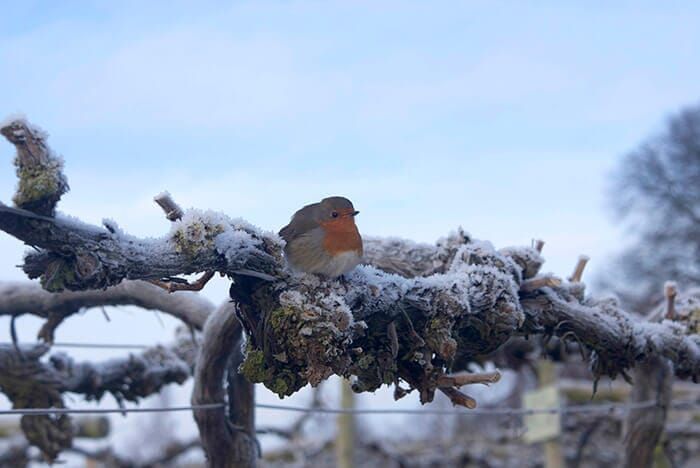
winter grape vines at Three Choirs Vineyard
28 January 2026
People often assume a vineyard is dormant in winter, but here at Three Choirs Vineyard it’s actually the beginning of the year and a very important time.
A selection of wine bottles in a cabinet which have been produced by Three Choirs Vineyard
18 December 2025
Three Choirs Vineyard enjoyed an outstanding 2025, with ideal weather, warm summers and a long growing season delivering an excellent harvest.
25 November 2025
With the festive season just around the corner, thoughts turn to Christmas dinner, parties and celebrations. And whether you’re getting the party started or relaxing in front of the TV on Christmas Day evening, you may want to enjoy the festivities with a glass or two of wine. But how do you choose your wine for Christmas? Well the good news is, while you might want to splash out and choose something a bit more special than your usual tipple, there are no rights and wrongs when choosing wine for Christmas. Thomas Shaw, managing director of Three Choirs Vineyard, said: “Don’t feel as though there are any rules to follow. The most important thing is to drink what you enjoy. If you don’t enjoy red wine, don’t drink red wine, drink white instead!” Some people like to enjoy sparkling wine on Christmas Day. When it comes to sparkling wine, people tend to fall into two camps – those who love it and will drink it on every occasion and those who really don’t like it! If you’re someone who isn’t keen on sparkling wine, but you’ve got guests coming round who might enjoy a glass of something fizzy before Christmas dinner, there are a range of options. Thomas continued: “There’s no need to go crazy and buy something expensive. There is a big range of prices from Cava and Prosecco up to top of the range Champagne, so you can spend as much or little as you want. “If you’re going to mix it with orange juice for buck’s fizz, definitely buy something cheaper!” While it’s not usual to have sparkling wine with your Christmas dinner, if you or your guess fancy some fizz with your turkey, just go for it! Alternatively, you might want to enjoy a refreshing white wine at lunchtime, then move to drinking red wine in the evening. Red wine is served warmer and feels like something to be enjoyed when you’re wrapped up warm in front of the fire. But there are no rules that say you have to move from white to red if you don’t want to and there are no rules which tell you exactly when you should make that change. Just do what feels right for you and don’t worry about what anyone else thinks! Whether you’re looking for red, white or sparkling for Christmas, if you want some advice and good value for money, go to a local independent wine retailer. They know all the wines on their shelves and should be able to help you choose something which is just right for you, your family and friends. Don’t be scared to ask for help! Most people will know the names of some popular wines, but won’t know, for example, whether a particular year was a good year. Asking someone who knows wines can be a real help when you are faced with so much choice. In the run-up to Christmas, local wine merchants and vineyards will sometimes hold evenings where you can go along and taste some wines to help you choose. It’s true that the price of a bottle of wine does generally reflect its quality, so when you go to a wine merchant, have a realistic budget in mind and try to stick to it! Unfortunately, wine has got more expensive in recent years, due to poor harvests in Europe, as well as inflation and the rising costs of energy and labour. Because the Christmas period is more than just one day, if you’re interested in trying new wines and finding out more about them, it is a great opportunity to learn more about what you like. Thomas said: “If you buy several different wines and taste them over a few days over Christmas, hopefully you will really like one or two of them. Having a variety over a short period of time means you’re less likely to forget what you like and what you were less keen on. And it’s good fun!” Could there be a better way to choose your wine for Christmas? 
20 October 2025
After the earliest harvest on record, brought about by the warm summer, the last grapes of 2025 were picked here at Three Choirs Vineyard on 9th October. The harvest is the biggest and most important event every year on the vineyard calendar. And the key thing for us is the quality of fruit, rather than the quantity. Thomas Shaw, managing director of Three Choirs Vineyard, said: “If we have a lot of fruit, we generally don’t get such good quality. This year we’ve got very good quality grapes! “It’s not such a good year for making sparkling wines because the acidity in the grapes was low due to the high temperatures, but 2025 is an excellent year for making still wines.” Now the grapes have all been picked and pressed, they are in tanks in the winery and fermentation is taking place. By the end of November or early December, fermentation should be complete, and the winemakers will start to taste the individual tanks and decide how that wine is going to be used – whether it is going to be a blend or a single variety. Those decisions will be made before Christmas this year, rather than afterwards, as is often the case.