What is terroir?

1 October 2024

Whether you’re a wine connoisseur or completely new to the world of wines, you might be confused about the word ‘terroir’.

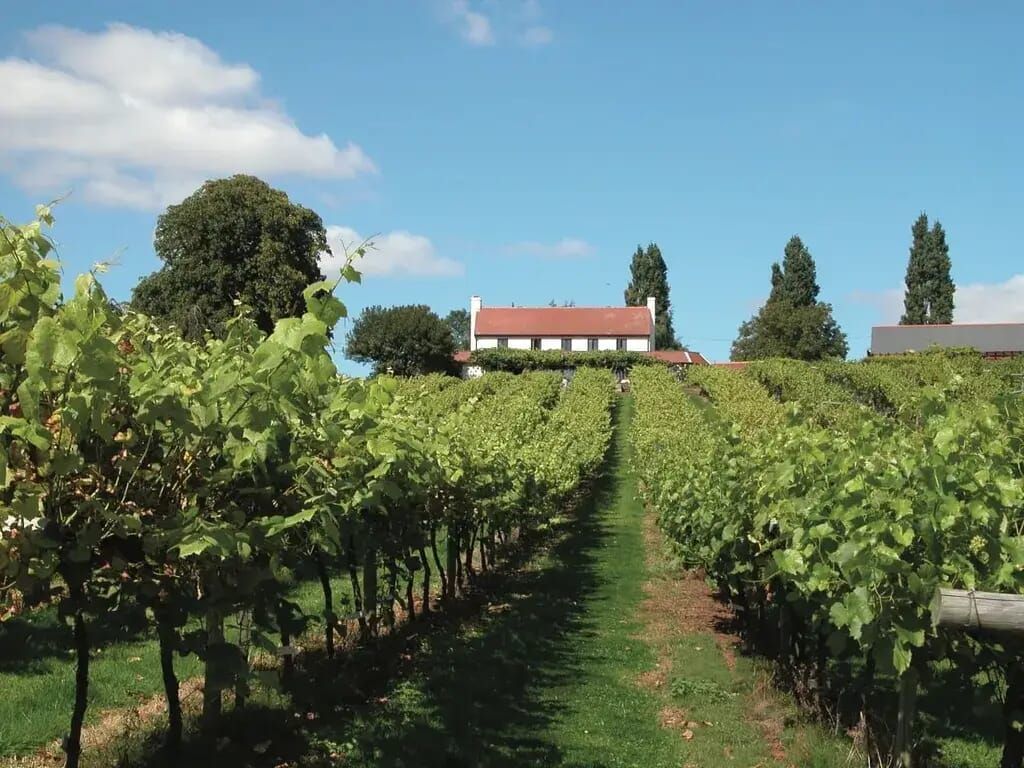
Terroir is a French word meaning a sense of place, taking into account things like the region, soil and climate of an area. A particular combination of natural factors, like soil, climate and vine affect the taste of the wine.

Together, they give a wine its terroir – its unique identity.

Because the unique combinations are different, the terroir for every wine making region is different and it can even differ between neighbouring vineyards.

Historically, terroir was the basis of the French wine appellation (AOC) system which means, for example, that only sparking wine produced in the Champagne region of France can be called Champagne. The AOC system presumes that the land from which the grapes are grown gives the wine a unique quality.

The influence of terroir means wines from a particular region are unique and cannot be reproduced elsewhere – even if the same grapes are used and the winemaking techniques followed precisely.

So winemakers in Burgundy in France don’t believe they are making a Pinot Noir in Burgundy, they are making their own unique Burgundy wines, which happens to use Pinot Noir grapes.

While vintages change from year to year, depending on the particular weather factors that year, the terroir of a wine should stay the same.
A blue and white bowl filled with grapes of different colors

The main factors which influence terroir are:


Climate


Wine regions can be roughly divided into warm climate (eg southern Europe, Australia and California) and cool climate (northern Europe and the UK). Cooler climate grapes lead to wines with lower sugar levels and more acidity, while grapes from warmer climates have higher sugar levels, leading to higher alcohol levels.

Other climate factors play a part in terroir, like rainfall, humidity, wind and sunlight. Sunlight is necessary for grapes to produce sugar, but it is possible to have too much. Rain is vital for vine growth, but too much can dilute flavours and cause disease.

(Temperature may fluctuate of course and you may have an exceptionally warm, cool or wet growing season which may affect individual vintages, but the climate is based on the average temperature and climate over a long period of time.)


Soil


There are hundreds or even thousands of types of soil, mineral and rock deposits in vineyards around the world, which all have an impact on the unique flavour of the wine from a particular region.

The soil is responsible for the nutrients the grapes need to grow, and the type of soil grapes are grown in can have a significant effect on the flavour of the wine.

It is not only the nutrients in the soil which can affect the terroir, but also the consistency of the soil – eg whether it contains clay, pebbles or sand. These all affect the drainage of the soil and its ability to absorb or reflect the heat of the sun, which all have an effect on the grapes.


Terrain


Altitude plays a part in the terroir of wine, as do geological features, like mountains and valleys, other nearby plants and trees and the proximity of a vineyard to the sea, large rivers or lakes.

Steeper slopes drain well and may get more sunlight. Higher altitudes tend to mean cooler nights. Mountains can offer protection against the winds, while lakes help to keep an area cooler in summer and warmer in winter.


Does wine always have terroir? Not all wines have this sense of place. This is especially true for blended wines, which use grapes from different regions. Mass-produced wines, such as those sold in the supermarket, rarely have terroir. They are made to be enjoyed by a lot of people at a fairly low price. The grapes are grown to high yields and low costs – not using premium grapes from a single vineyard or region.


Terroir isn’t a hard and fast rule. Changes over time affect the grapes and the wine. Climate change means there is a major shift in terroir – not just from higher temperatures increasing the sugar content of the grapes, but from an increase in floods and drought, which make growing grapes far more challenging.

So while terroir gives a wine its unique sense of place, it will change and develop in the coming years and decades.

More from our blog...
A selection of wine bottles in a cabinet which have been produced by Three Choirs Vineyard
18 December 2025
Three Choirs Vineyard enjoyed an outstanding 2025, with ideal weather, warm summers and a long growing season delivering an excellent harvest.
25 November 2025
With the festive season just around the corner, thoughts turn to Christmas dinner, parties and celebrations. And whether you’re getting the party started or relaxing in front of the TV on Christmas Day evening, you may want to enjoy the festivities with a glass or two of wine. But how do you choose your wine for Christmas? Well the good news is, while you might want to splash out and choose something a bit more special than your usual tipple, there are no rights and wrongs when choosing wine for Christmas. Thomas Shaw, managing director of Three Choirs Vineyard, said: “Don’t feel as though there are any rules to follow. The most important thing is to drink what you enjoy. If you don’t enjoy red wine, don’t drink red wine, drink white instead!” Some people like to enjoy sparkling wine on Christmas Day. When it comes to sparkling wine, people tend to fall into two camps – those who love it and will drink it on every occasion and those who really don’t like it! If you’re someone who isn’t keen on sparkling wine, but you’ve got guests coming round who might enjoy a glass of something fizzy before Christmas dinner, there are a range of options. Thomas continued: “There’s no need to go crazy and buy something expensive. There is a big range of prices from Cava and Prosecco up to top of the range Champagne, so you can spend as much or little as you want. “If you’re going to mix it with orange juice for buck’s fizz, definitely buy something cheaper!” While it’s not usual to have sparkling wine with your Christmas dinner, if you or your guess fancy some fizz with your turkey, just go for it! Alternatively, you might want to enjoy a refreshing white wine at lunchtime, then move to drinking red wine in the evening. Red wine is served warmer and feels like something to be enjoyed when you’re wrapped up warm in front of the fire. But there are no rules that say you have to move from white to red if you don’t want to and there are no rules which tell you exactly when you should make that change. Just do what feels right for you and don’t worry about what anyone else thinks! Whether you’re looking for red, white or sparkling for Christmas, if you want some advice and good value for money, go to a local independent wine retailer. They know all the wines on their shelves and should be able to help you choose something which is just right for you, your family and friends. Don’t be scared to ask for help! Most people will know the names of some popular wines, but won’t know, for example, whether a particular year was a good year. Asking someone who knows wines can be a real help when you are faced with so much choice. In the run-up to Christmas, local wine merchants and vineyards will sometimes hold evenings where you can go along and taste some wines to help you choose. It’s true that the price of a bottle of wine does generally reflect its quality, so when you go to a wine merchant, have a realistic budget in mind and try to stick to it! Unfortunately, wine has got more expensive in recent years, due to poor harvests in Europe, as well as inflation and the rising costs of energy and labour. Because the Christmas period is more than just one day, if you’re interested in trying new wines and finding out more about them, it is a great opportunity to learn more about what you like. Thomas said: “If you buy several different wines and taste them over a few days over Christmas, hopefully you will really like one or two of them. Having a variety over a short period of time means you’re less likely to forget what you like and what you were less keen on. And it’s good fun!” Could there be a better way to choose your wine for Christmas? 
20 October 2025
After the earliest harvest on record, brought about by the warm summer, the last grapes of 2025 were picked here at Three Choirs Vineyard on 9th October. The harvest is the biggest and most important event every year on the vineyard calendar. And the key thing for us is the quality of fruit, rather than the quantity. Thomas Shaw, managing director of Three Choirs Vineyard, said: “If we have a lot of fruit, we generally don’t get such good quality. This year we’ve got very good quality grapes! “It’s not such a good year for making sparkling wines because the acidity in the grapes was low due to the high temperatures, but 2025 is an excellent year for making still wines.” Now the grapes have all been picked and pressed, they are in tanks in the winery and fermentation is taking place. By the end of November or early December, fermentation should be complete, and the winemakers will start to taste the individual tanks and decide how that wine is going to be used – whether it is going to be a blend or a single variety. Those decisions will be made before Christmas this year, rather than afterwards, as is often the case.
Harvesting grapes at Three Choirs Vineyard
29 September 2025
Last month, we told you all about our plans and hopes for harvest at Three Choirs Vineyard. Now, a few weeks on, we can tell you all about how successful it was. Harvest 2025 was the earliest harvest on record for us, after a very dry and consistently warm summer. We started picking two weeks earlier than usual and will finish picking three weeks earlier, at the start of October. Some years, when we’ve had a very late harvest, it has lasted almost until December. But this year has been a fast and furious harvest! We’ve had a bit of rain during September. This can prove problematic during harvest, but we’re pleased to say it was nothing disruptive this year. In fact, the weather has stayed perfect through to the end of September, to keep the grapes in good condition. The positive news is that it wasn’t just an early harvest – it was a good one, with very high quality grapes. The 2025 wines which will start to come out in the middle of next year should reflect that. 
28 August 2025
As August draws to an end, the team at Three Choirs Vineyard are gearing up ready for our harvest. But when is the right time to pick the grapes? We don’t have a definite set date for the annual harvest; it all depends on the weather. This year, it looks likely to start a bit early – probably in the first week of September - because of all the good weather we’ve had this summer. That is about 10 days to two weeks earlier than usual. As the climate is changing, the trend is towards picking earlier than we used to. But the harvest still takes the same amount of time. Generally, we would expect the harvest to last for about 10 weeks, but this will depend on what the weather is like and the quantity and quality of grapes on our vines. Here at Three Choirs, we have 14 different varieties of grapes, and they all ripen at slightly different times. The first grape we will pick is Siegerrebe, which is a pinky orange colour when ripe. Siegerrebe makes a white wine, because, as with most grapes, all the colour is in the skin and not the juice inside. Siegerrebe takes 76 days from flowering until the fruit is ready to pick. The timing really is as specific as that! All of the grape varieties have precise timings, although some of them are longer than others. Thomas Shaw, managing director, said: “It’s been a good year, with lots of sunshine. The grapes are fairly small, but that means they should have a nice concentration of flavours and sugars, which is what we need. We don’t need big fat grapes like you get in the supermarket, because they’re full of water.” It hasn’t just been a warm, sunny year, it has been a very dry one too. Will that affect our harvest? Thomas continued: “There was a lot of moisture in the ground early in the year. The roots of our vines go down 12 to 15 foot, so there is still enough moisture down there for them. “Grapes are different from other crops. Some farmers have been struggling this year because their crops have very small roots, and the ground is far too dry for them.” Picking is all done by hand. Fruit is picked and pressed on the same day. Thomas said: “To maximise the quality, we don’t pick when it’s rainy. If it’s raining, we can get a lot of wet fruit into the winery, which dilutes the wine.” So here’s hoping for a dry harvest! Early indications are that 2025 will be a successful year for grapes at Three Choirs. Flowering in late June and early July is a key time for our harvest, and the weather was just what we needed at that time. September and October will be the final decider if 2025 is a good quality year for our wines.
A lady sipping wine from a glass. Wine Tasting at Three Choirs Vineyard
7 July 2025
New to wine tasting? It’s for everyone! Learn why there’s no right or wrong and get tips to find wines you’ll love from Three Choirs Vineyard.